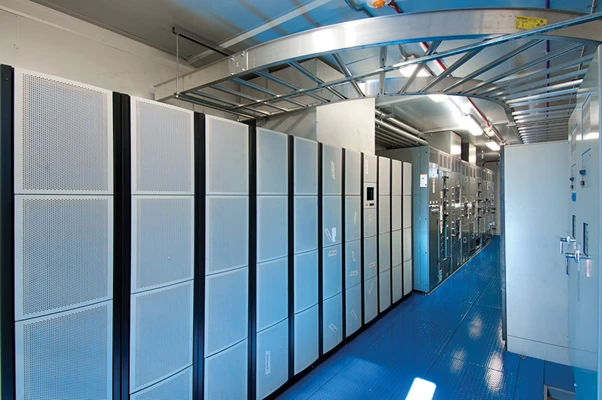
In today's interconnected world, data has become one of the most valuable assets for organizations. From cloud computing and artificial intelligence to online banking and e-commerce, nearly every digital service relies on a robust data centre facility. These facilities serve as the backbone of modern technology infrastructure, ensuring that critical applications, systems, and information remain accessible, secure, and reliable.
What Is a Data Centre Facility?
A data centre facility is a specialized building or space designed to house computing infrastructure, including servers, storage systems, networking equipment, and security systems. Its primary purpose is to store, process, and distribute data while maintaining high levels of availability and performance.
Modern data centres are engineered to operate continuously, often 24 hours a day, 365 days a year, with minimal downtime. They incorporate advanced power, cooling, and monitoring systems to ensure uninterrupted service.
Key Components of a Data Centre Facility
1. Power Infrastructure
Reliable power is essential for any data centre. Facilities typically include:
- Uninterruptible Power Supply (UPS) systems
- Backup generators
- Power Distribution Units (PDUs)
- Redundant electrical pathways
These systems help maintain operations during utility outages and power fluctuations.
2. Cooling Systems
Servers generate significant heat, making efficient cooling critical. Common cooling solutions include:
- Computer Room Air Conditioning (CRAC) units
- Computer Room Air Handlers (CRAH)
- Liquid cooling technologies
- Hot aisle and cold aisle containment
Proper cooling enhances equipment lifespan and energy efficiency.
3. Network Connectivity
A high-performance data centre requires robust network infrastructure with:
- Multiple internet service providers
- Redundant network paths
- High-speed fiber connections
- Low-latency communication systems
This ensures continuous connectivity and optimal application performance.
4. Physical Security
Data centres implement strict security measures, including:
- Biometric access controls
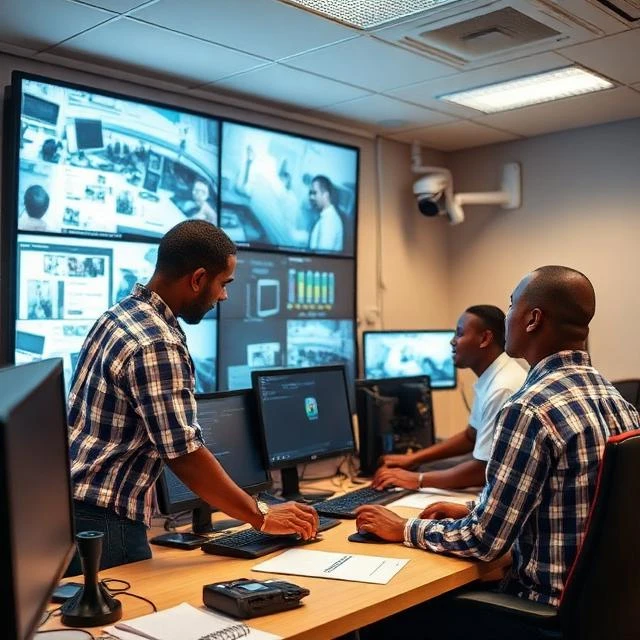
- CCTV surveillance
- Security personnel
- Multi-factor authentication
- Visitor management systems
These measures protect critical assets from unauthorized access.
5. Fire Detection and Suppression
Advanced fire protection systems help safeguard equipment and data. Facilities often use:
- Early smoke detection systems
- Gas-based fire suppression systems
- Fire-resistant building materials
These systems minimize risk while protecting sensitive hardware.
Benefits of a Modern Data Centre Facility
Enhanced Reliability
Redundant systems and fault-tolerant designs ensure continuous operations and minimize downtime.
Improved Security
Physical and cybersecurity measures work together to protect business-critical information.
Scalability
Organizations can expand their infrastructure as business requirements grow without major disruptions.
Operational Efficiency
Modern facilities optimize energy usage, cooling performance, and resource allocation, reducing operating costs.
Regulatory Compliance
Many industries require strict data handling and security standards. Well-designed data centres help organizations meet these compliance requirements.
Sustainability in Data Centres
As digital demand increases, sustainability has become a major focus. Modern data centres are adopting:
- Renewable energy sources
- Energy-efficient cooling systems
- Intelligent power management
- Water conservation technologies
- Carbon reduction initiatives
Green data centre practices not only reduce environmental impact but also improve long-term operational efficiency.
Future Trends in Data Centre Facilities
Several emerging trends are shaping the future of data centres:
- Artificial Intelligence-driven infrastructure management
- Edge computing deployments
- Modular and prefabricated data centres
- Advanced liquid cooling solutions
- Increased automation and remote monitoring
These innovations are helping facilities meet growing demands for performance, scalability, and sustainability.
Comments: